

Ask Apex AI →
Apex AI
Ethiopian digital transformation stories alongside global AI and tech breakthroughs — curated to keep you ahead.
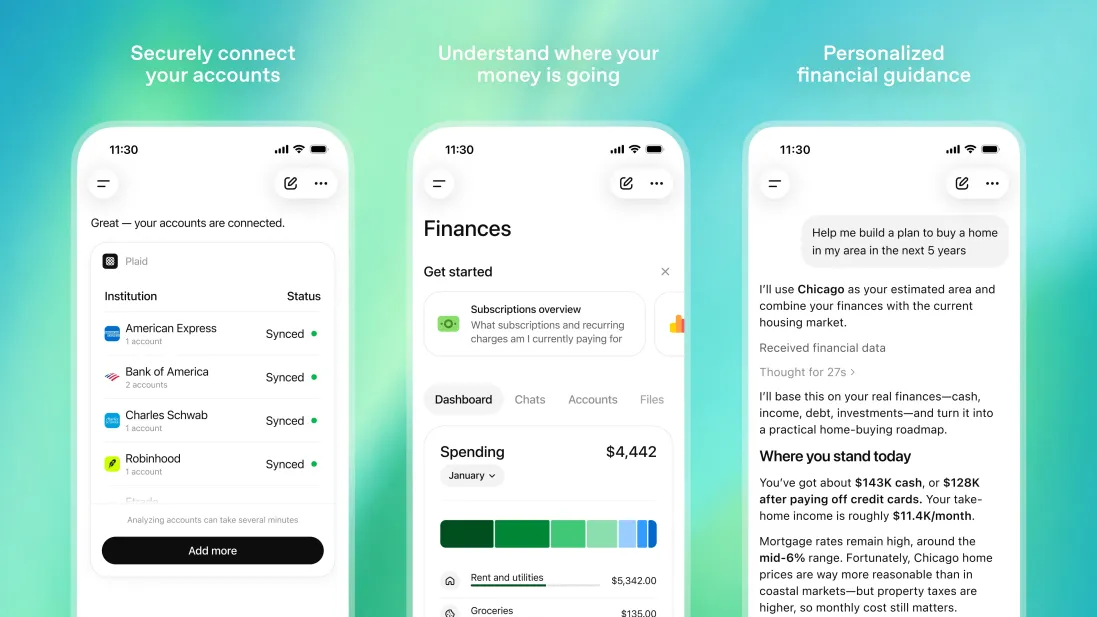
On Friday, OpenAI launched a new set of personal finance tools in preview for ChatGPT Pro subscribers in the U.S., letting them connect their accounts and ask questions ranging from spending analysis to future financial planning. OpenAI has partnered with the financial connection service Plaid to manage the account connections. Users can connect to over 12,000 financial institutions, including Schwab, Fidelity, Chase, Robinhood, American Express, and Capital One. Once users connect these accounts, they will see a dashboard of their portfolio performance, spending, subscriptions, and upcoming payments.
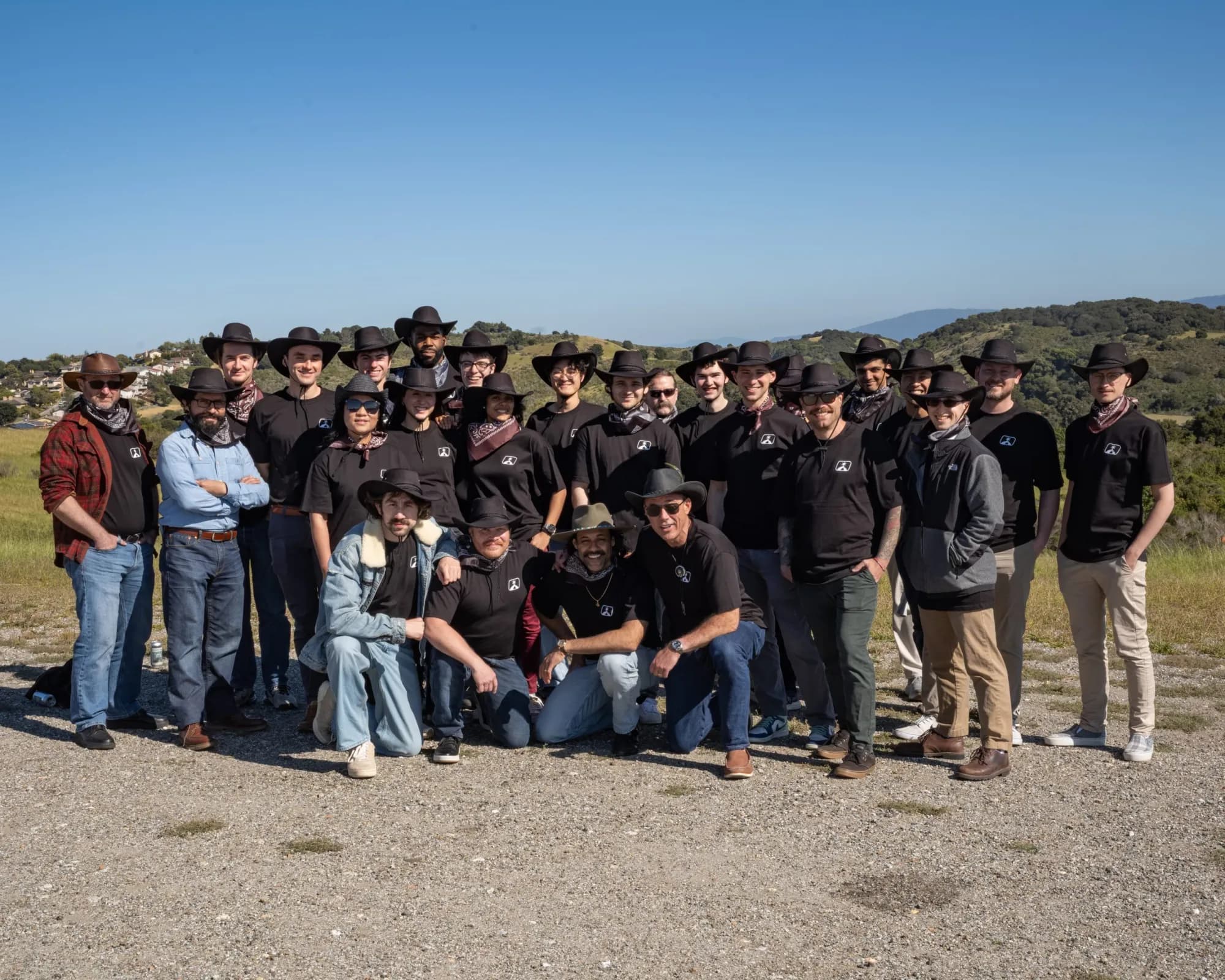
The apparently insatiable demand for AI compute has data center entrepreneurs looking to the stars. There’s a key problem: There aren’t enough rockets to put data centers in orbit around Earth, and they’re too expensive. Most of the players are hoping that SpaceX’s Starship — expected to make its 12th test flight as soon as this weekend — will solve the problem. But once the vehicle is operational, it may be years before it is commercially available, given SpaceX’s internal satellite business. The same is true for Blue Origin’s New Glenn rocket, which failed to deliver a satellite during its third launch in April. That leaves space data center schemes either targeting the mid-2030s, like Google’s Suncatcher, or preparing to start off doing edge processing tasks for space sensors, like Starcloud. In theory, there’s a third way: “We’re standing up our own rocket program,” Baiju Bhatt, the CEO and founder of Cowboy Space Corporation, told TechCrunch. He expects the first launch before the end of 2028. Today, the company announced the closure of a $275 million Series B round at a post-money valuation of $2 billion, led by earlier backer Index Ventures, as a down payment on that work. Breakthrough Energy Ventures, Construct Capital, IVP, and SAIC also participated. The company had previously raised $80 million from investors, including Index, Breakthrough Energy Ventures, Andreessen Horowitz, and New Enterprise Associates.

Ethiopia's government has launched an ambitious Digital Economy Strategy targeting 50% internet penetration by 2030. With investments in fiber infrastructure, AI education, and tech hubs in Addis Ababa and regional cities, the country is positioning itself as East Africa's next digital powerhouse.

Ethiopian tech startups secured over $120M in funding, with fintech platforms like Telebirr expanding to 40M+ users and AgriTech solutions transforming smallholder farming. The ecosystem is maturing fast — and AI is at the center of every breakthrough.

From Addis Ababa's five-star hotels to regional lodges in Hossana and Hawassa, Ethiopian hospitality businesses are adopting smart HMS platforms, AI-powered guest management, and integrated CCTV systems — transforming the guest experience and operational efficiency.

Agentic AI — systems that plan, reason, and act autonomously — is moving from research labs into production. From automated code generation to self-healing infrastructure, enterprises are deploying AI agents that work 24/7 without human intervention. Here's what it means for your business.

AI-managed networks are no longer a luxury — they're a necessity. From predictive bandwidth allocation to zero-trust security architectures, intelligent network infrastructure is becoming the backbone of every modern hotel, hospital, and enterprise.

Modern CCTV is no longer passive recording. AI-powered computer vision now enables real-time threat detection, crowd analytics, license plate recognition, and behavioral anomaly alerts. The global smart surveillance market is projected to hit $75B by 2028 — and Africa is catching up fast.